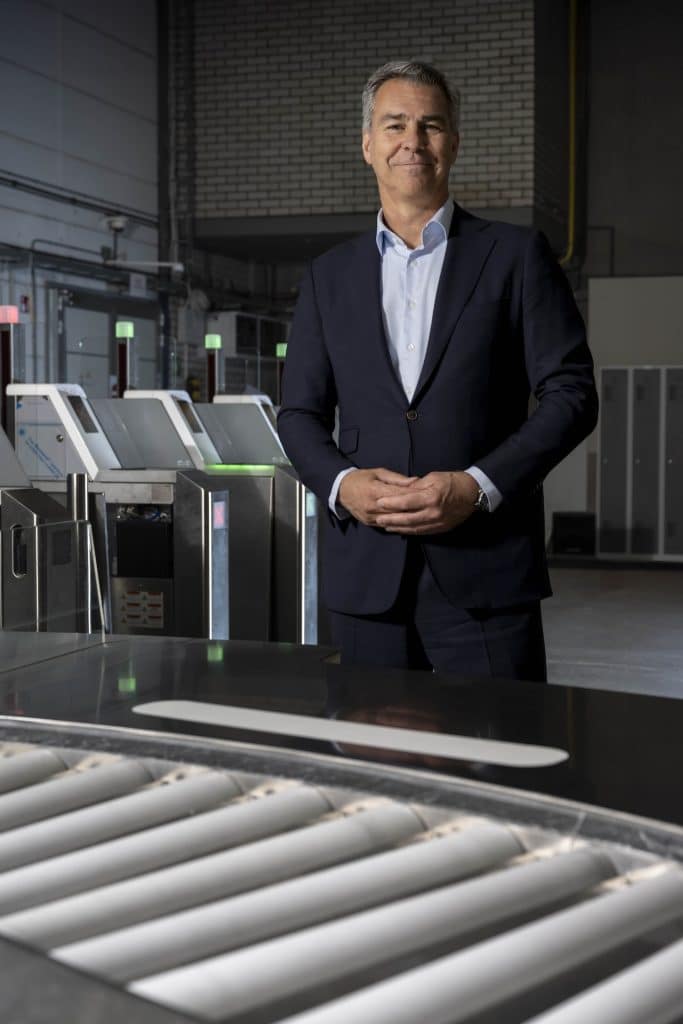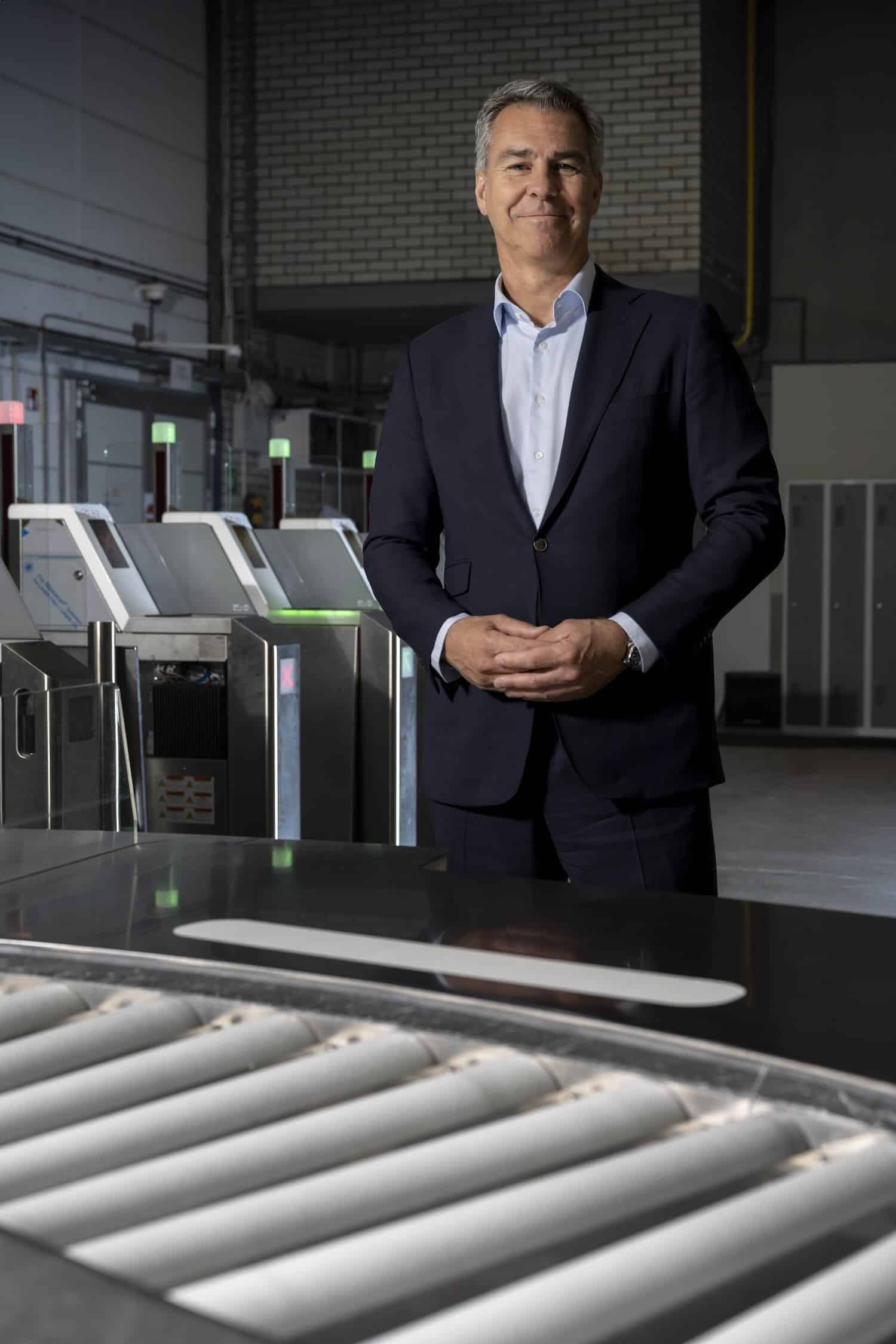
As airports face increasing pressure to improve efficiency, enhance passenger experiences, and manage growing operational complexity, the aviation industry is entering a new phase of digital transformation. The focus is no longer solely on automation or standalone technologies, but on creating connected ecosystems where data, systems, and stakeholders work together seamlessly.
According to Jasper van Gend, Executive Director of Daifuku Airport Netherlands, the future of airport operations will be defined by integration, real-time visibility, and intelligent decision-making. However, these developments reflect broader industry trends that are reshaping how airports operate worldwide.
From Technology Deployment to Operational Integration
Across the aviation sector, many airports have invested in advanced technologies ranging from baggage handling systems and passenger processing solutions to operational management platforms. Yet one of the industry’s greatest challenges remains connecting these technologies into a cohesive operational environment.
Rather than focusing on individual systems, airports are increasingly looking to integrate operations across departments and stakeholders. The objective is to improve situational awareness, enable faster decision-making, and reduce operational complexity. This is an area where Daifuku Airport Netherlands continues to support airports through expertise in integrated baggage handling systems, airport operational software, and passenger journey optimization.
The Industry’s Path Toward Intelligent Airports
Several trends are driving this transformation: coordinated operations, predictive decision-making, expanded automation, and real-time operational intelligence.
Practical Transformation Over Disruption
While innovation remains a key focus, successful transformation requires practical implementation strategies. Many airports operate within complex environments that include legacy infrastructure and long-term operational commitments. As a result, modernization efforts increasingly focus on phased adoption, allowing airports to integrate new capabilities while maintaining continuity and minimizing operational risk.
The Importance of Collaboration
Technology alone cannot deliver transformation. Airports operate within a network of airlines, ground handlers, regulators, and service providers, making collaboration essential for success.
As Jasper van Gend notes: “Transformation does not happen in isolation. It requires alignment across stakeholders, shared visibility, and a common understanding of what success looks like.”
Looking Ahead
The airports that will be most successful in the coming years are unlikely to be defined solely by their level of automation. Instead, success will depend on their ability to connect systems, utilize data effectively, and coordinate operations across the entire airport ecosystem.
As the aviation industry continues its evolution toward intelligent and connected operations, Daifuku Airport Netherlands remains focused on helping airports navigate this transformation through integration, operational expertise, and practical innovation.