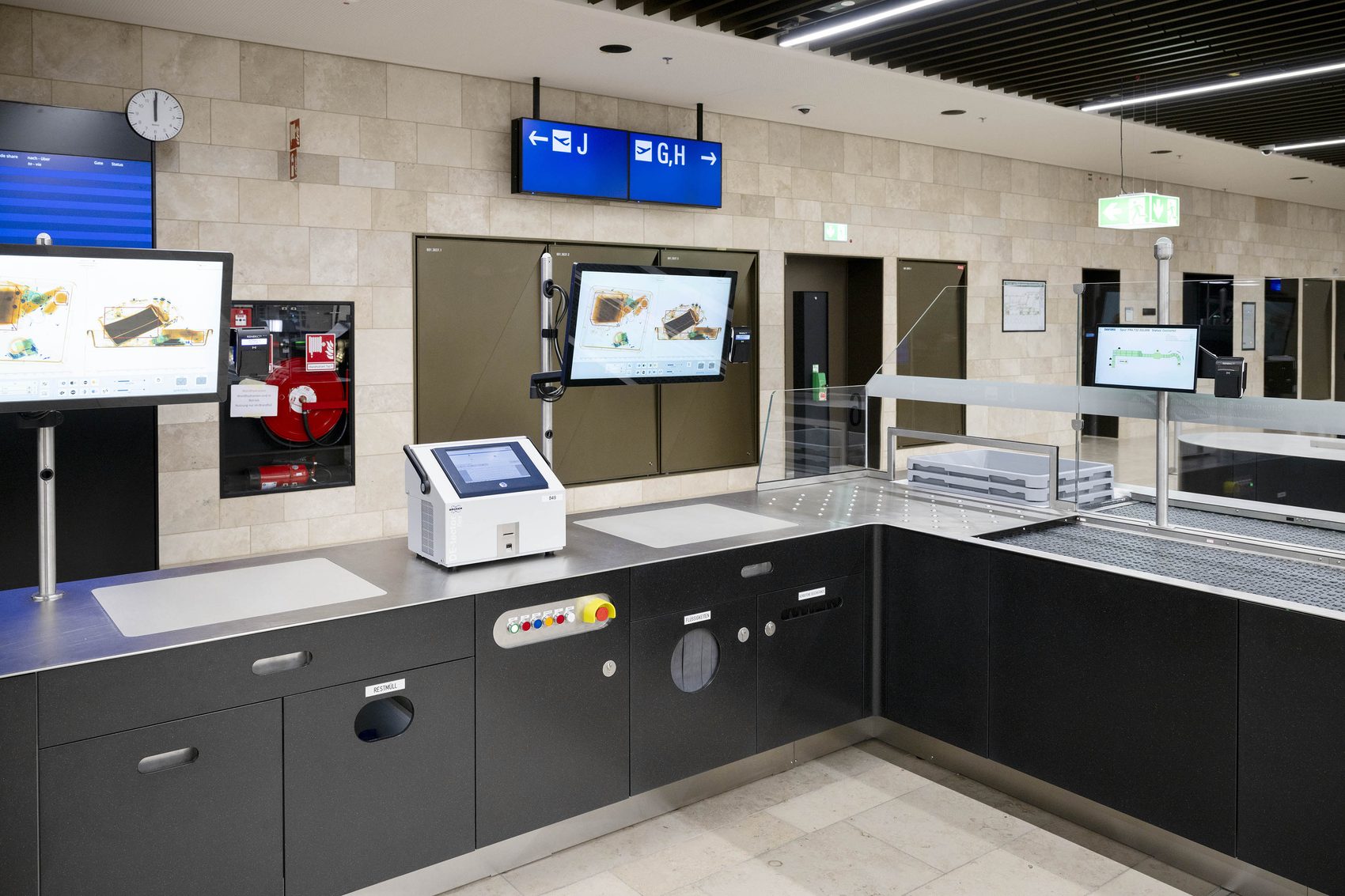
FROM CHECKPOINT TECHNOLOGY TO INTELLIGENT FLOW: HOW CONTINUOUS FLOW AND DIVERT TO RECLAIM ARE REDEFINING AIRPORT SECURITY
By Mark Zacharowski, Country Manager DACH
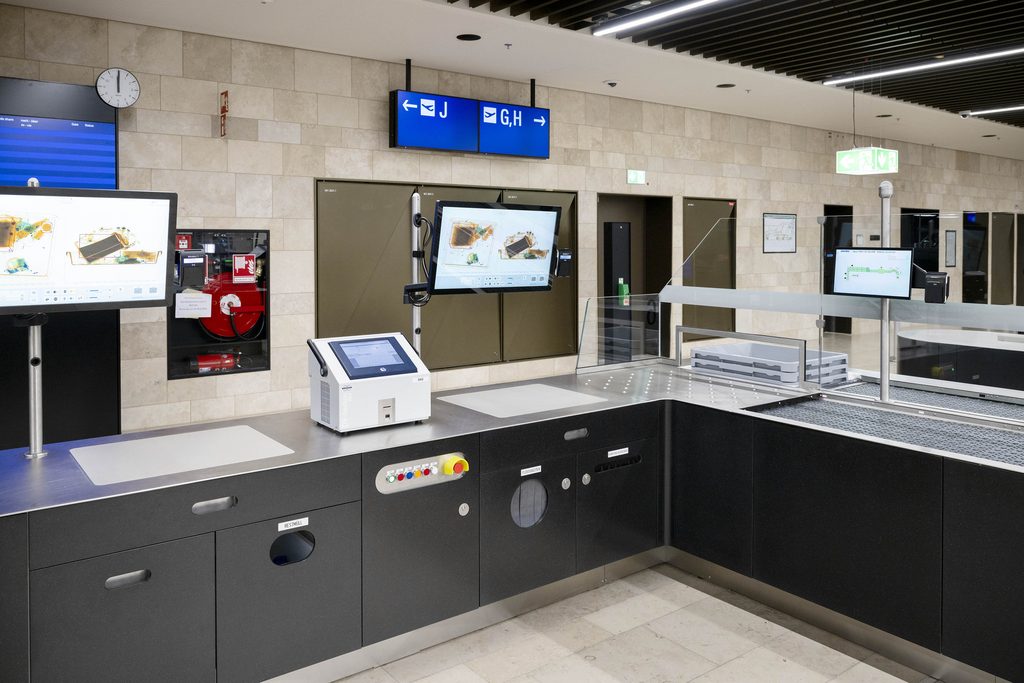
Security screening is one of the most critical touchpoints in the passenger journey. During conversations with airports across the DACH region, one question comes up repeatedly:
How can airports increase throughput without compromising security or passenger experience? Many airports have already invested significantly in CT technology and advanced screening equipment. Yet bottlenecks, queue formation, and operational inefficiencies often persist.
Why?
Because checkpoint performance is determined by the interaction of people, processes, and technologies, not by individual technologies alone.
The future of airport security lies not in isolated innovations, but in creating intelligent systems where every component works together to support a smooth, secure, and predictable passenger journey. At Daifuku Airport Netherlands, Smart Security Lane solutions are built around several key principles designed to optimize passenger flow, operational efficiency, and security performance. Among these principles, Continuous Flow and Divert to Reclaim play an increasingly important role in helping airports transform traditional checkpoints into intelligent passenger flow management systems.
The Checkpoint as a Connected System
Every airport wants faster security screening. But speed alone is not the answer. The real challenge is maintaining a continuous, predictable flow of passengers while meeting the highest security standards. In a modern checkpoint, performance is not defined by peak throughput alone. It is defined by the ability to maintain uninterrupted movement throughout the entire process. At Daifuku Airport Netherlands, this philosophy is captured in the concept of Continuous Flow, which places seamless passenger and tray movement at the center of checkpoint performance. Rather than focusing on individual process steps, Continuous Flow ensures every component works together to minimize stop-start interactions, reduce bottlenecks, and create a more predictable screening experience. A key element supporting this approach is the Continuous Flow Diverter, which helps maintain uninterrupted tray movement throughout the system. Complementing this is Divert to Reclaim. When trays require additional inspection, they are diverted from the reject line (NOK) to a dedicated reclaim or resolution process. This allows additional screening to occur without interrupting the primary passenger flow. Together, these principles support both standard passenger processing and the efficient management of exceptions, creating a more intelligent and resilient checkpoint operation.
Designing for Flow, Not Just Capacity
Traditional checkpoint design often focuses on capacity. However, capacity alone does not guarantee efficiency. Designing for flow requires rethinking how passengers interact with the checkpoint environment, from divestment through screening and reclaim. Through optimized layouts and parallel divestment concepts, multiple passengers can prepare simultaneously without interfering with one another. The objective is not simply to increase the number of divest positions. Instead, the goal is to create the right environment for passengers to prepare efficiently and move naturally through the checkpoint. In many cases, fewer but larger and better-designed divest areas can outperform a greater number of smaller positions by reducing congestion and improving passenger comfort. Technologies such as Continuous Flow conveyor systems and intelligent diverters help maintain a consistent operational rhythm by ensuring trays move steadily through the process.
To simplify the concept:
- Continuous Flow keeps trays moving continuously, minimizing start-stop disruptions.
- Divert to Reclaim separates exceptional cases requiring additional checks, ensuring the main screening process remains uninterrupted.
This combination creates both operational clarity and improved passenger flow.
Key Benefits of Continuous Flow and Divert to Reclaim
For airport operators, the value extends beyond technology. These principles help deliver measurable operational benefits:
- Reduced queue times
- Higher and more predictable throughput
- Improved utilization of security personnel
- Reduced staff workload and stress
- Greater operational resilience during peak periods
- Enhanced passenger experience and satisfaction
- Improved consistency across checkpoint operations
By designing checkpoints around flow rather than isolated technologies, airports can better respond to growing passenger volumes and operational complexity.
Automation, Data, and Human Performance
Automation should support people, not replace them. When implemented effectively, automation enhances operational accuracy, reduces repetitive tasks, and enables security personnel to focus on higher-value activities. Within a Smart Security Lane environment, automation and data-driven processes support both Continuous Flow and Divert to Reclaim by ensuring routine and non-routine scenarios are handled efficiently. The result is a checkpoint where passengers experience fewer interruptions and staff can work more effectively in a less stressful environment. This balance between technology and human expertise is increasingly important as airports seek to improve both operational performance and workforce efficiency.
The Future of Airport Security
The future of airport security will not be defined by a single technology. It will be defined by how technologies, processes, data, and people work together to create seamless passenger journeys. Continuous Flow and Divert to Reclaim represent important building blocks in this transformation, helping airports move beyond traditional checkpoint operations toward intelligent passenger flow management. At Daifuku Airport Netherlands, these principles support a vision where security, efficiency, and passenger experience are no longer competing priorities, but fully integrated objectives. The result is a smarter, more resilient checkpoint designed to meet the realities of modern air travel.
About Daifuku Airport Netherlands
Daifuku Airport Netherlands is a trusted partner to airports worldwide, delivering innovative solutions that enhance passenger processing, baggage handling, and security operations. Working closely with airports, airlines, and industry partners, we develop intelligent systems that help improve operational efficiency, increase capacity, and deliver an enhanced passenger experience. By combining decades of aviation expertise with advanced technologies, Daifuku Airport Netherlands helps airports prepare for the challenges and opportunities of tomorrow.
About the Author
Mark Zacharowski, Country Manager DACH
Mark Zacharowski is Country Manager DACH at Daifuku Airport Technologies, responsible for business development, service operations, and strategic customer projects across Germany, Austria, and Switzerland. He works closely with airports, government stakeholders, and international partners to deliver innovative airport and security technology solutions. With more than 25 years of international leadership experience, Mark has held senior positions in aviation, logistics, sales, key account management, project management, and business development. His career includes over a decade in air cargo sales with a leading Asian airline, serving as Sales Director Europe for a U.S.-based military logistics provider, senior consulting and project management roles within the global exhibition industry, and worldwide responsibility as Global Key Account Manager for an international machinery and tooling manufacturer.
Today, he focuses on helping airports improve operational performance through innovative technologies, reliable service concepts, and strategic partnerships. Mark is actively involved in major airport and security projects across the DACH region, including Munich, Frankfurt, Berlin Brandenburg, and Cologne/Bonn airports.
His passion is building long-term customer relationships, driving operational excellence, and creating sustainable business growth in an increasingly complex international environment.
Specialties: Aviation & Airport Technologies | Security Solutions | Business Development | Key Account Management | Service Operations | Strategic Partnerships | International Project Management | Leadership